
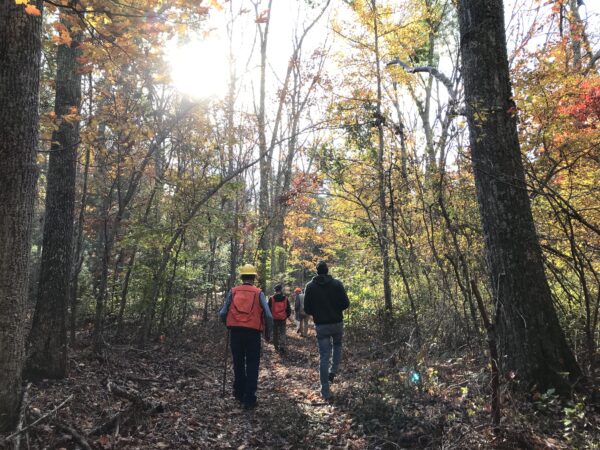
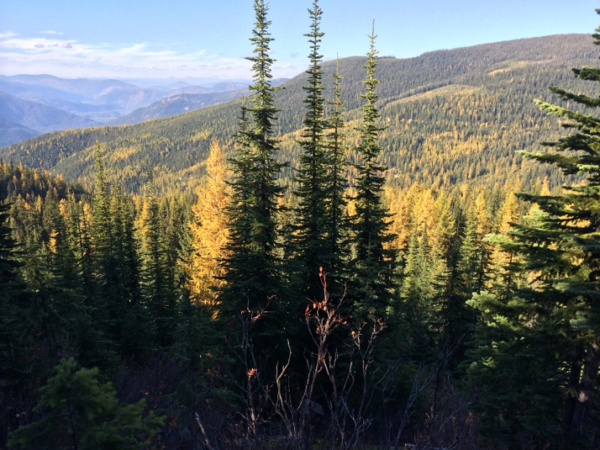
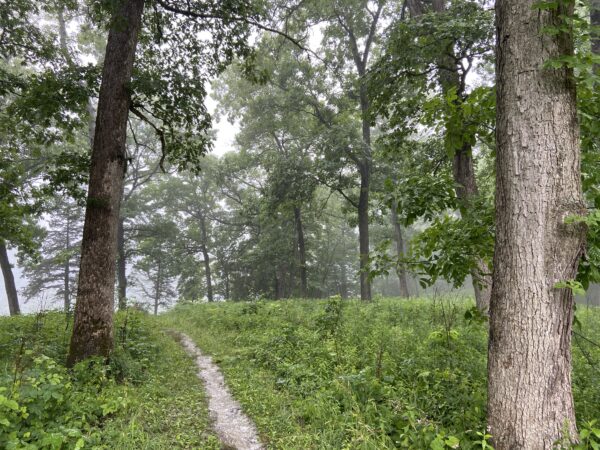

The Adaptive Silviculture for Climate Change (ASCC) Network is a collaborative effort to establish a series of experimental silvicultural trials across different forest ecosystems in the United States and Canada.
Resilience actions accommodate some degree of change, but encourage a return to a prior condition or an identified benchmark condition following disturbance.
Transition (or response) actions intentionally accommodate change and enable ecosystems to adaptively respond to changing and new conditions.
About
The ASCC Study
The ASCC Network engages managers and scientists to actively integrate climate change adaptation into their silvicultural planning and on-the-ground management at each experimental site. We work to answer the question: What actions can be taken to enhance the ability of a system to cope with change while continuing to meet management goals and objectives?
ASCC Network Impact
Adaptation Framework
The Resistance-Resilience-Transition framework directly informs larger-scale land management implementation.

200 Partners
Over 200 management and science collaborators are sharing lessons learned to advance climate-informed forest management.

15+ years
ASCC is the largest experimental silviculture program focused on climate adaptation in North America, including 14 statistically robust, operational, and varied experimental sites.

Science to practice
Natural resource professionals are directly trained in applying climate-adaptive silviculture via ASCC site examples.
The ASCC Network is a collaborative community of scientists and managers working across experimental sites in the US and Canada. Network coordination is supported in part by the USDA Forest Service and carried out by the Northern Institute of Applied Climate Science.