All About ASCC Chats: Winter and Spring 2026 Recap
As our network grows and sites continue collecting data, increasing awareness about site activities and research can facilitate cross-site collaboration within the Adaptative Silviculture for Climate Change (ASCC) Network. We began our Network seminar series, “ASCC Chats,” in 2026 as a way for the network to gather monthly and share ongoing research and monitoring activities at their sites, as well as some of their successes and lessons learned.
At each seminar, we hear from two to four sites about a common topic, with time for discussion and questions at the end. This provides a forum for cross-site communication, and gives sites more regular opportunities to share the exciting work they’re doing in a relaxed, informal setting. These seminars have helped share new ideas for research, increased motivation to continue fostering collaborations and starting new projects, and enabled cross-site dialogue. Below, we have rounded up the past ASCC Chats topics and video recordings.
Seminar 1: Working With Operators
Speakers: Ethan Bucholz & Blair Rynearson (Colorado State Forest); Bradley Hutnik & Mike Reinikainen (Driftless Area); Ché Elkin (John Prince Research Forest); Christopher Riely (Southern New England Exurban Oak)
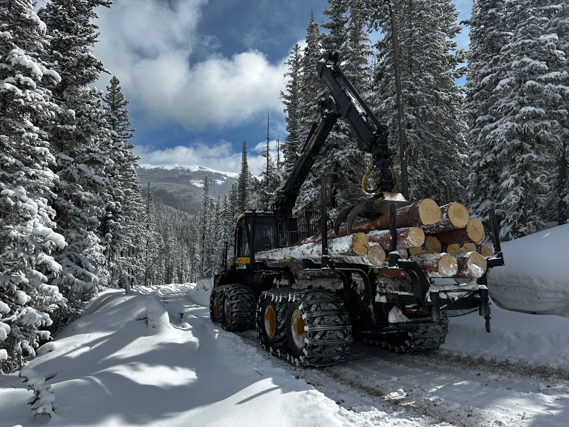
In our first seminar, speakers shared successes, challenges, and lessons learned from working with operators to establish and harvest their sites. Ethan Bucholz and Blair Rynearson discussed the need to be somewhat flexible with the silvicultural prescriptions at the Colorado State Forest ASCC site in order to find a contractor to harvest their site. Brad Hutnik and Mike Reinikainen from the Driftless Area site and Christopher Riely from the Southern New England site, two affiliate ASCC sites, discussed the challenges of setting up a silvicultural experiment across multiple states and land ownerships. Che Elkin shared about the intricacies of conveying the prescriptions for each ASCC treatment to operators at the John Prince Research Forest site.
Listen here: January Recording
Seminar 2: Bird Monitoring
Speakers: Zack Steel (Colorado sites); Cara Snell (John Prince Research Forest); Bryce Adams & Steve Matthews (Ohio Hills); Dave King & Tony D’Amato (Second College Grant)
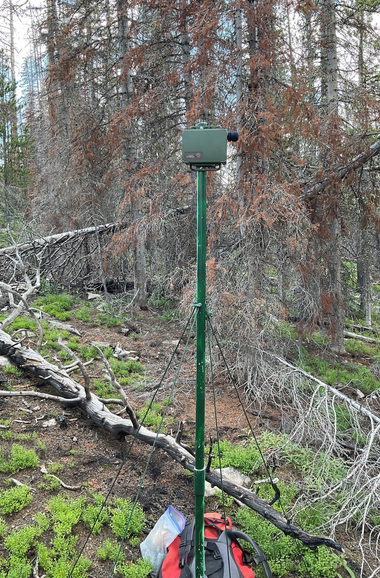
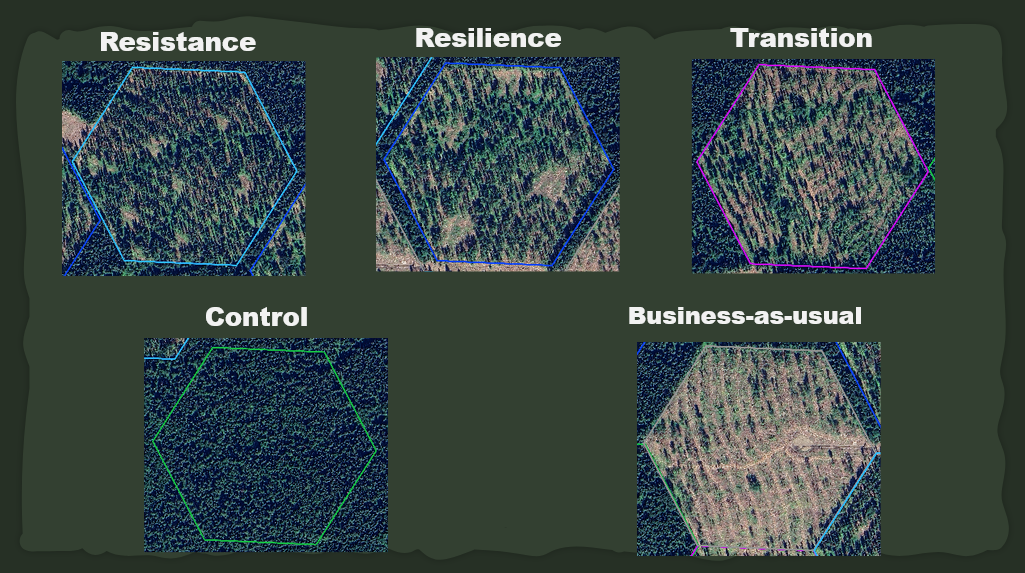
In this seminar, speakers shared their different approaches to monitoring and some exciting science, about birds at their sites. Zach Steel discussed acoustic monitoring for birds and bats at the Colorado ASCC sites, comparing community composition amongst the 3 sites (San Juan, Taylor Park, and Colorado State Forest). Bryce Adams shared initial results from pre- and post-harvest point count surveys in each of the control, resistance, resilience, and transition treatments at the Ohio Hills site. From the John Prince Research Forest site, Cara Snell shared findings from autonomous recording units and point count surveys focused on owl courtship periods and passerine breeding seasons. Dave King shared results from the Second College Grant site and trends across treatments in bird abundances, highlighting the increase in shrubland bird species in the resilience and transition treatments.
Listen Here: February Recording
Seminar 3: Modeling and Remote Sensing
Speakers: Neil Williams (Colorado State Forest and Flathead National Forest/Coram Experimental Forest); Kaitlyn Hammond (John Prince Research Forest); Eben Broadbent (Second College Grant)
In our Modeling and Remote Sensing seminar, speakers shared how they use remote sensing and modeling to help with site monitoring and predict future outcomes of current management at the sites. Kaitlyn Hammond, a postdoc at the John Prince Research Forest site, discussed her work using LiDAR data to assess canopy structure and coarse woody debris to help inform management of forest fuels and insects. Neil Williams shared about his use of the Forest Vegetation Simulator to model future forest stands in each treatment in various Rocky Mountain ASCC sites. Eben Broadbent discussed the remote sensing drone he used at the Second College Grant site to develop multitemporal datasets with high density LiDAR data with the goal of modeling microclimates and monitoring leaf-on and leaf-off.
Listen Here: March Recording
Seminar 4: Insects and Fungi in ASCC
Speakers: Gabriel Tigreros (Jones Center at Ichauway); Marcella Windmuller-Campione (Crosby Farm); Zach Smith (Colorado State Forest)
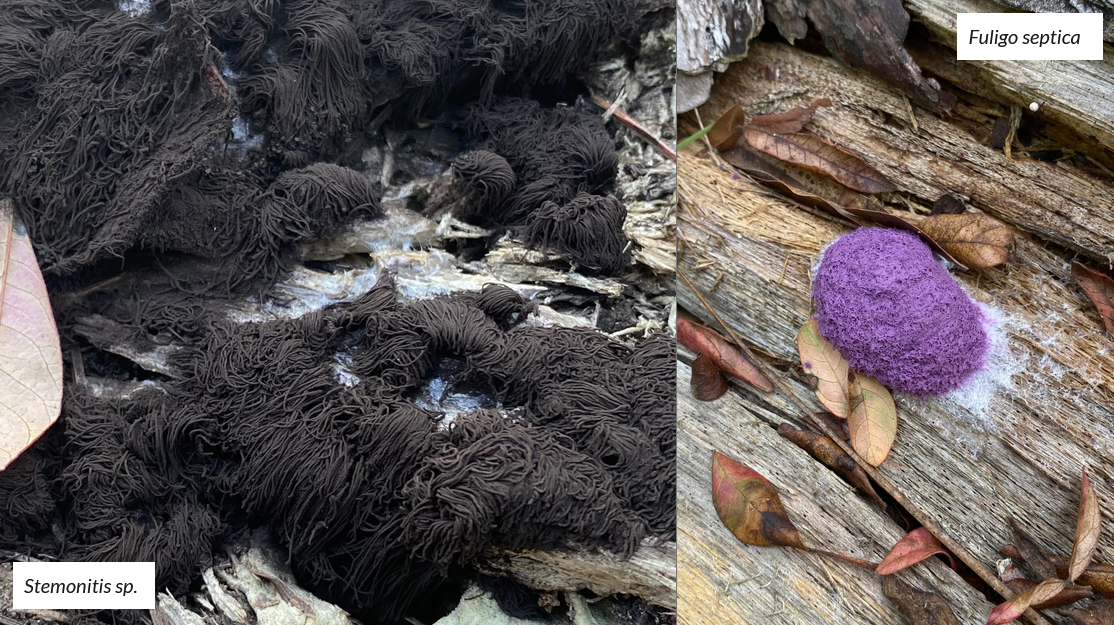
In this seminar, sites shared about the research on insects and fungi going on at their sites, including work about deadwood, pests and pathogens, and pollinators. Marcella Windmuller-Campione discussed the history and implications of emerald ash borer in the floodplain forest ecosystem at Crosby Farm and some lessons learned from planting in the ASCC experiment (hint: bigger seedlings are helpful!). Gabriel Tigreros discussed the diversity of insects and fungi that depend on deadwood at the Jones Center at Ichauway site, highlighting 104 new species that have yet to be documented in the longleaf pine ecosystem. Zach Smith shared their approach for investigating the effects of treatments on pollinators at the three Colorado ASCC sites and gave a sneak peak at some early results.
Listen Here: April Recording
Seminar 5: Sites at 10 Years
Speakers: Justin Crotteau (Flathead National Forest/Coram Experimental Forest); Josh Puhlick (Jones Center at Ichauway); Tony D’Amato (Second College Grant)
In our last seminar before our summer break, sites that had their workshops ~10 years ago shared highlights from the past ten years and data they have collected at their sites. They talked about lessons they’ve learned from the workshop to the implementation phase and post-harvest monitoring and maintenance process, and discussed future plans for their sites. Learn more about the experiments at the Flathead National Forest/Coram Experimental Forest site, The Jones Center at Ichauway site, and the Second College Grant site on their webpages.
Listen Here: May Recording
Password for the Zoom recording: TBD&gZE4