
- Multi-cohort stand with greater structural complexity, larger trees, and maintained or increased quality
- Favor native mast-producers that are drought, fire, frost, disease, and wind tolerant
- Increase genetic diversity of tree community
- Maintain spare and native midstory, allowing for advance regeneration of oak and hickory species
- Provide hard and soft mast for wildlife
- Reduce prevalence of invasive species


- Invasive shrub treatment
- Midstory removal
- Site preparation including prescribed fire if conditions allow
- Underplant intermediate, shade-tolerant, fire-adapted native species
- Continuous cover irregular shelterwood: first and subsequent establishment cuttings will create three 0.75-acre opening and three 0.75-acre patches 40-50% cover
- Free thinning matrix to ~70% stocking
- Retain some dominants as seed trees, plant additional seedlings (chinkapin oak, white oak, northern red oak, black walnut, bur oak, shagbark hickory, black oak, black cherry)



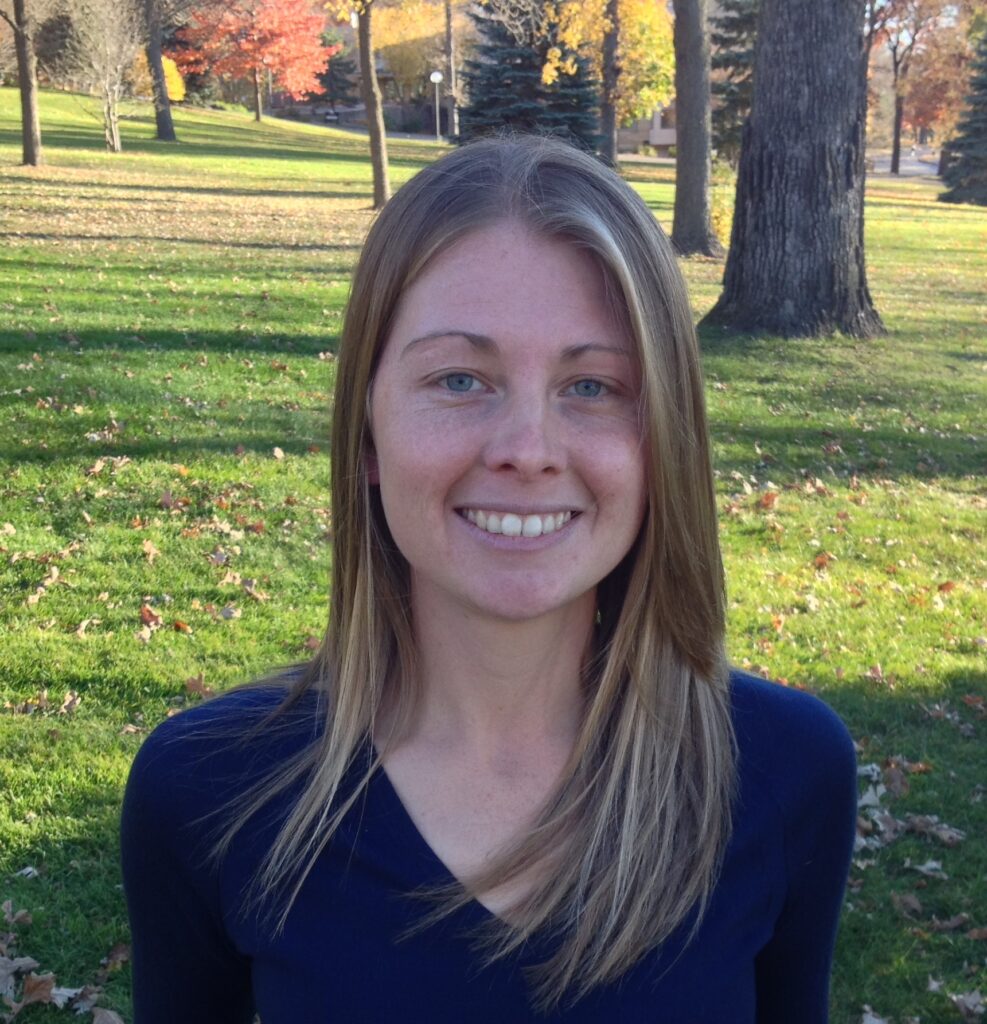
Miranda Curzon
Driftless Area ASCC Site Lead
Assistant Professor
Natural Resource Ecology and Management
Iowa State University
234 Science 2 2310 Pammel Dr
Ames, IA 50011-1031
Phone: 515 294 1587
mcurzon@iastate.edu