
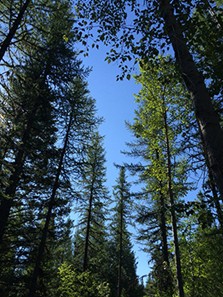
- Increase proportion and development of long-lived, fire-adapted species
- Maintain genetic diversity via large diameter, long-lived trees and planting tree improvement seed
- Enhance spatial and structural heterogeneity
- Maintain high productivity and supply of wood products at regular intervals
- Promote development of large-diameter, long-lived trees to promote old-growth characteristics
- Reduce hazard of crown fire
- Maintain low surface fuels
- Maintain low levels of insects and diseases
- Maintain and improve forage production

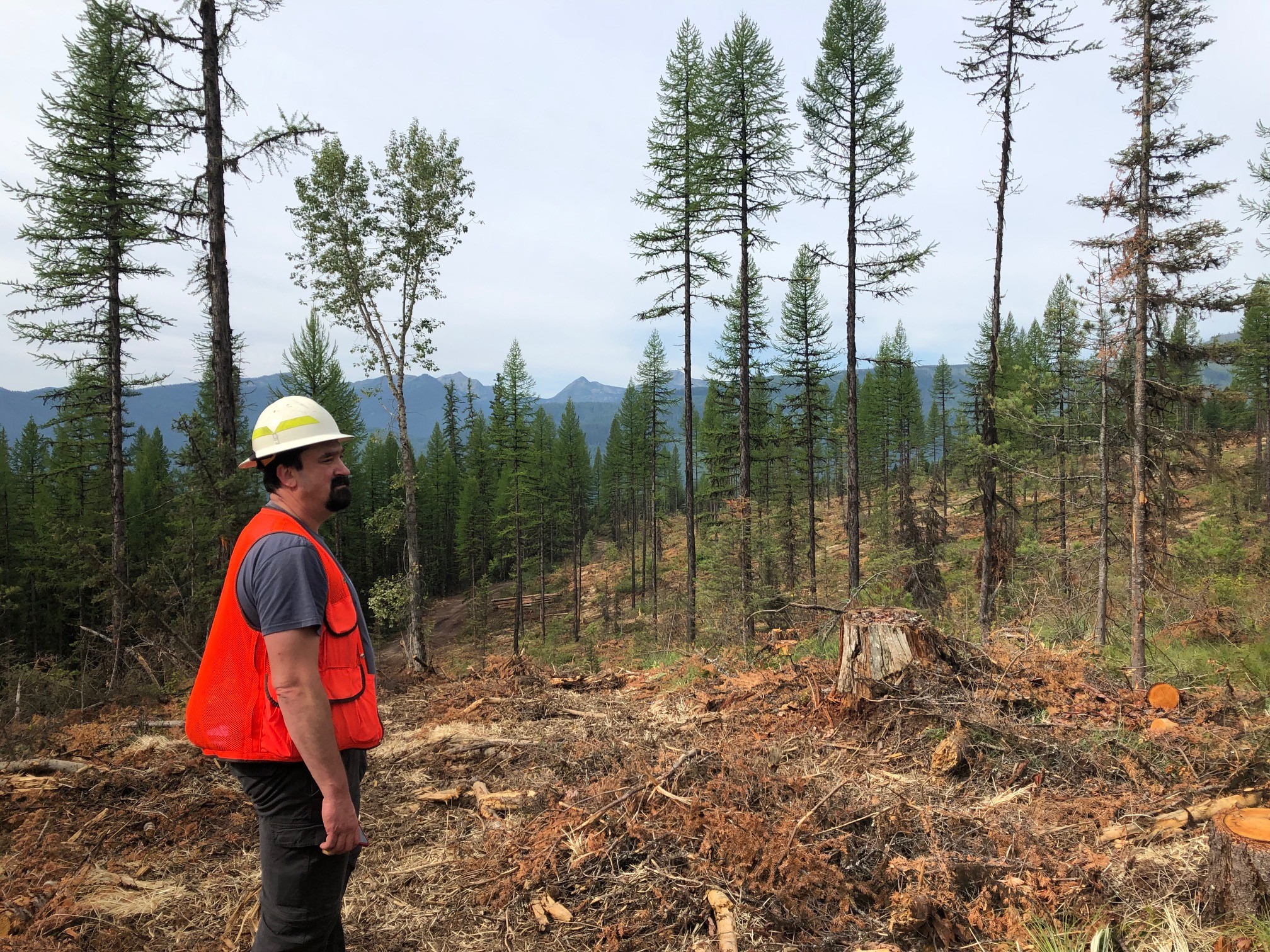


Justin Crotteau
Site Lead
Research Forester
Rocky Mountain Research Station, USDA Forest Service
Missoula Forestry Sciences Lab
800 East Beckwith Ave
Missoula, MT 59801
Phone: 406-542-4169
Justin.crotteau@usda.gov

David Wright
Manager
Ecologist, Manager Coram Experimental Forest
Rocky Mountain Research Station, USDA Forest Service
Missoula Forestry Sciences Lab
800 East Beckwith Ave
Missoula, MT 59801
Phone: 406-542-4181
david.wright2@usda.gov