Applying the ASCC Experimental Framework in Ontario: A Study in Toronto’s Red Pine Plantations
Written by Lyndsay Cartwright, a research scientist at the Toronto and Region Conservation Authority
Since European settlement, an estimated 63% of forests have been lost in southern Ontario due to land clearing for agriculture, logging, and urban development (Butt et al., 2005). The remaining fragmented forest ecosystem covers an estimated 17% of southern Ontario and continues to be subject to numerous stressors such as further fragmentation and isolation, insect pests and disease, recreational impacts, invasive species, ice/wind storms, removal for development, and climate change.
Climate projections in the Toronto region suggest that the region will experience a warmer and wetter climate with increasingly variable weather including higher intensity storms (TRCA, 2023). These changes pose variable risks across ecosystem types with projected losses of extant forests in Canada of >40% under the >3°C scenario (Scholze et al., 2006). In addition to projected forest loss, forest ecosystems are vulnerable to the expected impacts of climate change as disturbance regimes shift in response to changing climatic conditions (Newman, 2019). These impacts present challenges for maintaining the essential ecological processes, functions, and services that forests provide such as habitat provisioning for native species, climate regulation, nutrient cycling, soil stabilization, and water infiltration/cycling among many others.
Toronto and Region Conservation Authority (TRCA) owns and manages over 16,000 hectares of natural areas including 8,300 ha of forest. TRCA has a long history of implementing ecological restoration and management programs that strengthen the health of natural systems in the Toronto region especially in the face of rapid land use and climate change. Since the establishment of many red pine plantations, minimal management has occurred to facilitate natural succession leading to a lack of regeneration and low species diversity.
The desired outcome of this research is to develop a management framework for existing pine plantations in TRCA’s jurisdiction that will best allow forests to maintain ecological processes, functions, and services with the anticipated changes in climate.
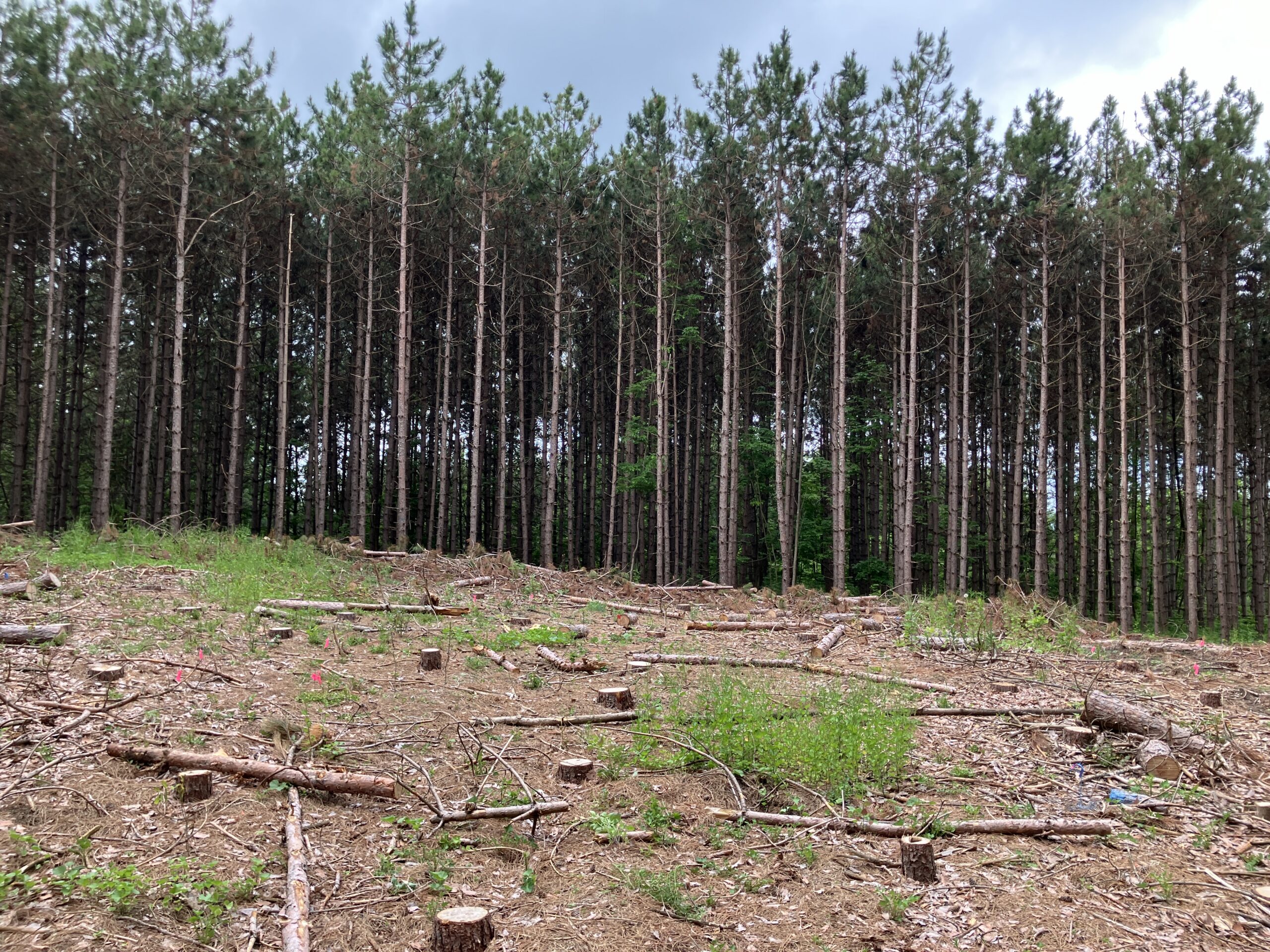
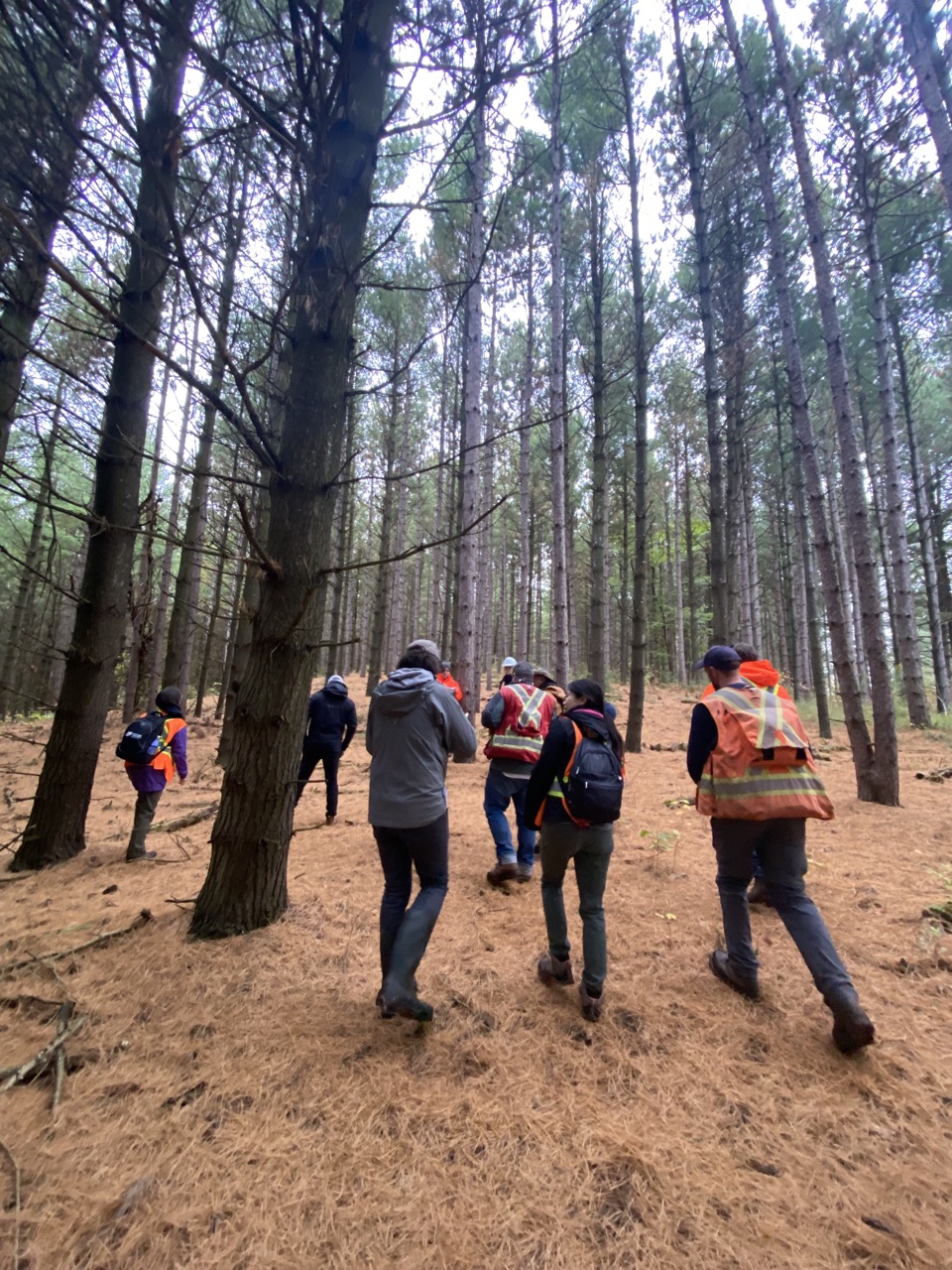
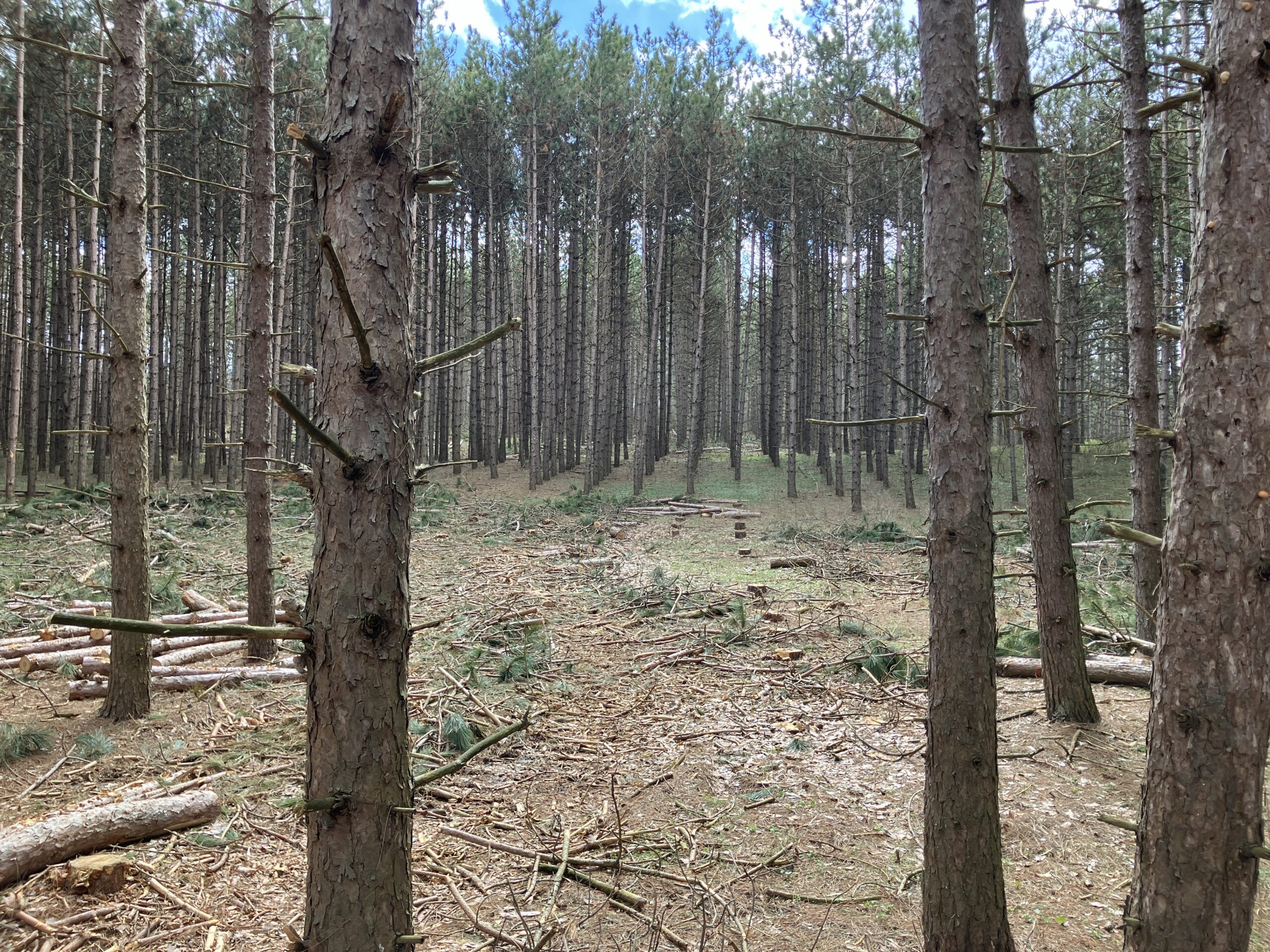
In October 2023, in collaboration with the Ontario Woodlot Association and the Northern Institute of Applied Climate Science, TRCA held a 3-day workshop. The purpose was to inform the experimental design of a climate change adaptation study for plantation management in the Toronto region. The workshop successfully brought together experts in climate science, forestry, forest ecology and management, among many other fields, to co-develop experimental treatments based on the ASCC model. Control, resistance, resilience, and transition treatments were drafted and considered harvest methods, invasive species management, underplanting and species selection. Control is essentially a “do nothing” treatment although invasive species will be managed. Resistance includes standard 1 in 4 row thinning and invasive species management. Resilience includes creating small gaps (0.05 ha), invasive species management, and underplanting with local species sourced from a slightly south seed zone. Transition includes creating larger gaps (0.1 ha), invasive species management, and underplanting with Carolinian species sourced from a more southern seed zone.
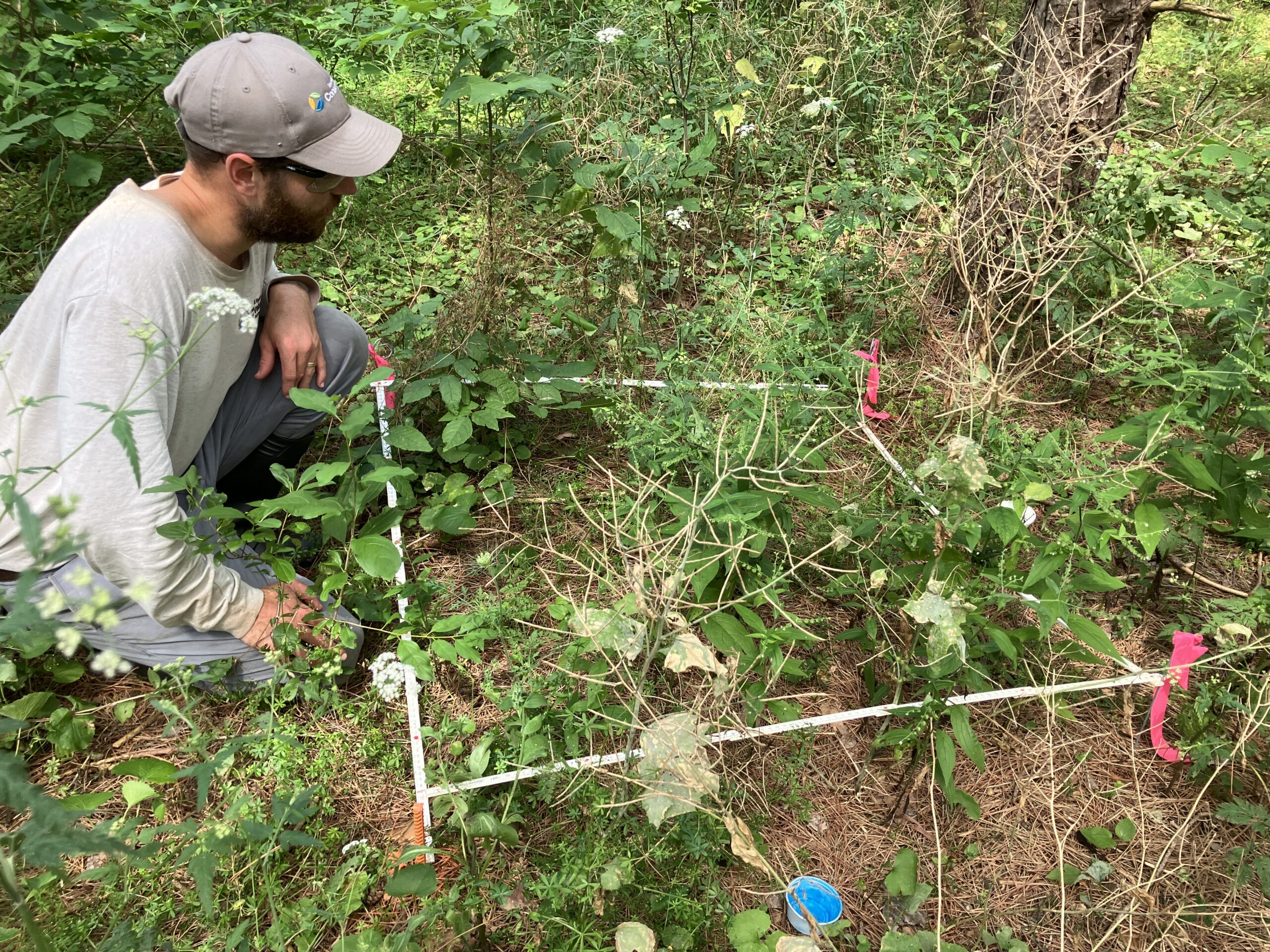
We collected pre-treatment monitoring in the summer of 2025 and plantations were harvested in March 2026. Invasive species management started in spring 2026 along with post-treatment monitoring. Monitoring includes tree health, ground vegetation, regeneration, and saplings using ASCC circular plot methods, pollinator sampling, fuel load estimates, drone surveys, carbon assessments, soil moisture and temperature, and meteorological data collection.